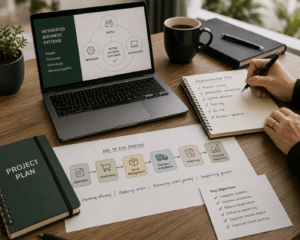

Does it ever feel like you’re busy all day, yet still don’t get to the work that really matters?
For many business owners, the challenge isn’t a lack of time — it’s competing priorities. Emails, meetings, phone calls and unexpected interruptions can quickly take over the day, leaving little time to focus on the work that really moves the business forward.
Good time management isn’t about working longer hours. It’s about making better use of the time you already have and being clear about where your time is best spent.
Here are some practical time management tips to help you work more efficiently and regain control of your working day.
Plan Your Time Before Your Day Starts
Effective time management starts with understanding where your time is actually being spent. You can’t manage your time effectively until you know how you’re using it.
Look at the tasks you carry out on a daily, weekly, monthly, annual or ad hoc basis. Consider how much time each one takes and where these tasks fit into your working week. For larger tasks, break them into smaller, manageable chunks and allocate time to complete them. Planning your workload can help you organise your day more effectively and make sure you don’t overlook important tasks.
One thing I’ve learnt over the years is that even the best-planned day rarely goes exactly to plan. Building some flexibility into your schedule allows you to deal with unexpected interruptions without everything else falling behind.
Make Your To-do List Work for You
Whether you prefer a traditional to-do list or a digital task manager, the key is keeping everything in one place. Scattered tasks make it much harder to see what actually needs your attention.
Once you have your list, don’t just keep adding to it. Allocate time in your diary to complete important tasks and review your list regularly. This stops urgent requests from continually pushing important work further down the list.
My tip: Keep your to-do list as a working tool, not a list of everything you might ever need to do. Review it regularly, remove tasks that are no longer relevant and be realistic about what you can achieve.
Start Each Day with Your Priorities
Before opening your inbox or getting drawn into other people’s priorities, review your diary and decide what needs your attention that day.
Not everything that feels urgent is important. Consider which tasks will have the greatest impact on you, your team or the business, and make time for those first.
Ask yourself: what will happen if I don’t do this? This can help you decide what needs your attention now, what can wait and what you could delegate.
Try to complete your priority tasks before other demands start competing for your attention. And remember, your priorities may change during the day.
Focus on One Task at a Time
Trying to deal with several things at once makes it harder to concentrate and complete them properly. Give the task in front of you your full attention rather than constantly switching between emails, phone calls and other demands.
If you need uninterrupted time, switch on your voicemail, silence your notifications or set up an automatic email response. Let people know when you’ll be available again if necessary.
Once you’ve completed the task, take a short break and then decide what needs your attention next.
Eliminate Distractions and Stay Focused
Distractions come in many forms — email and social media notifications, phone calls, pets, background noise and even an untidy workspace. Every distraction, however small, forces you to switch your attention. Regaining your focus takes time and can reduce your productivity.
You may not be able to eliminate every distraction, but simple changes can make a difference. Close unnecessary tabs, silence notifications and put your phone on silent when you need to concentrate.
Whether you have your own office or work at the kitchen table, keep your workspace tidy and make sure everything you need is within easy reach.
My tip: Don’t just remove digital distractions. Look at everything around you that interrupts your concentration and consider what you can change.
Make Better Use of Technology
Technology can save time and make it easier to manage your working day. Virtual meetings are a good example. Conference calls and video meetings can reduce unnecessary travel and make it easier to bring people together when a face-to-face meeting isn’t essential. Look at the technology you already use and consider whether you’re making the most of it. Digital calendars, shared documents, task management tools can reduce repetitive work and keep information accessible. Automated processes can also save time and make it easier to stay organised.
My tip: Don’t use technology simply because it’s available. Choose tools that genuinely save time, improve communication or make it easier to manage your workload.
Your inbox is a tool, not your to-do list. Avoid allowing incoming emails to dictate your priorities. Where possible, deal with emails decisively — act, move, delegate or delete — and remember that your most important work often happens away from your inbox.
Keep Meeting Information Organised
Meetings can take up a significant amount of time, particularly when you’re searching for information before or after them.
Keep agendas, meeting notes, documents and actions together in one place so you can quickly find what you need. Whether you use Outlook, Teams, OneNote or another system, having information organised and accessible can save time and make meetings more productive.
After each meeting, record any actions and, where appropriate, add them to your task list or diary. This makes it easier to keep track of commitments and prevents important follow-ups from being forgotten.
Protect Time for Strategic Thinking
It’s easy to spend every day reacting to emails, meetings and urgent requests, leaving little time to step back and think about the bigger picture.
Important work doesn’t always feel urgent. Reviewing performance, improving processes, planning for future growth and progressing key projects can all create significant value, but something more immediate often pushes them aside.
Set aside regular time to work on your business rather than simply in it, and treat that time as a genuine commitment. If something important continually gets pushed aside, ask yourself what will happen if you don’t make time for it.
Know When to Delegate
One of the biggest challenges for business owners and executives is knowing when they are spending their time on work that someone else could handle. It can be tempting to hold on to tasks because you know how to do them, or because finding someone else to take them on feels like another job in itself. But if routine administration, operational tasks or project coordination are taking up valuable time, consider whether they really need to sit with you.
Delegating the right work — whether to someone within your team or an experienced external business support professional — can create valuable capacity. It allows you to focus on the areas where you add the greatest value.
Sometimes the issue isn’t that you need to manage your time better. You simply have too much to fit into the time available.
If you’re considering outsourcing support, you may also find my article Beyond Administration: How Professional Business Support Helps Growing Businesses useful. It explains how professional business support can free up time and help your business operate more effectively.
End the Day Ready for Tomorrow
Before you finish for the day, take a few minutes to prepare for tomorrow. Review your diary, check upcoming meetings or deadlines and make a note of your priorities. Tidy your workspace and make sure you have everything you need to get started.
Starting the morning organised and prepared means you can focus more quickly on what matters, rather than spending the first part of the day deciding where to begin.
Need More Time and Capacity?
If you’re spending too much time on administration, operational tasks or project coordination, Oreo PA can provide flexible business support. This can give you more time to focus on strategy, key projects and the areas where you add the greatest value.